Brwinów Palace
A chapter from the book *Wierusz-Kowalskis: Selected Figures* – *The Wierusz-Kowalski Palace in Brwinów* by Rafał Wierusz-Kowalski
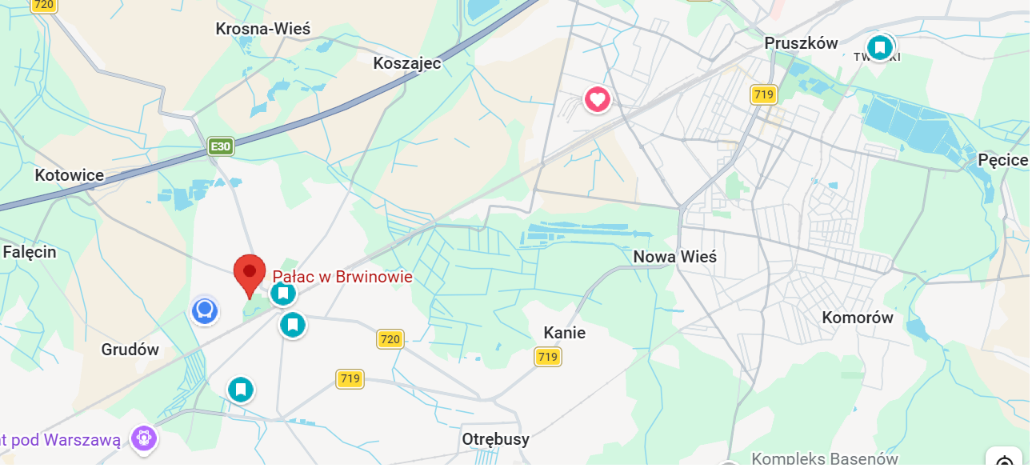
THE ORIGINS OF THE ESTATE IN BRWINÓW
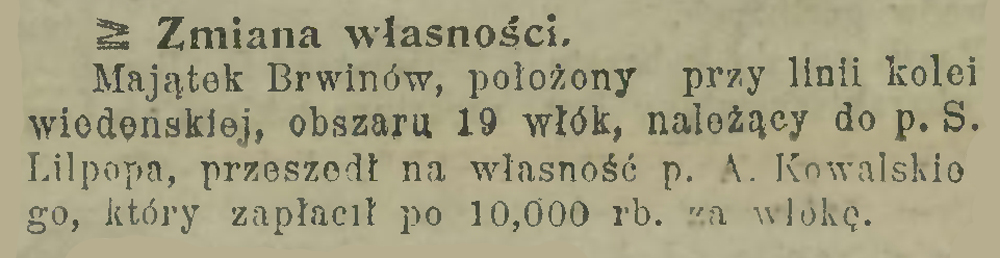
The history of the Wierusz-Kowalski estate in Brwinów began in the early 20th century. Around 1909, Tadeusz Wierusz-Kowalski purchased part of the Brwinów estate from Stanisław Wilhelm Lilpop. The estate comprised approximately 319 hectares of land and was, at that time, one of the larger estates in the area. Over time, part of the land was subdivided, which was linked to the rapid development of Brwinów as a town on the outskirts of Warsaw.
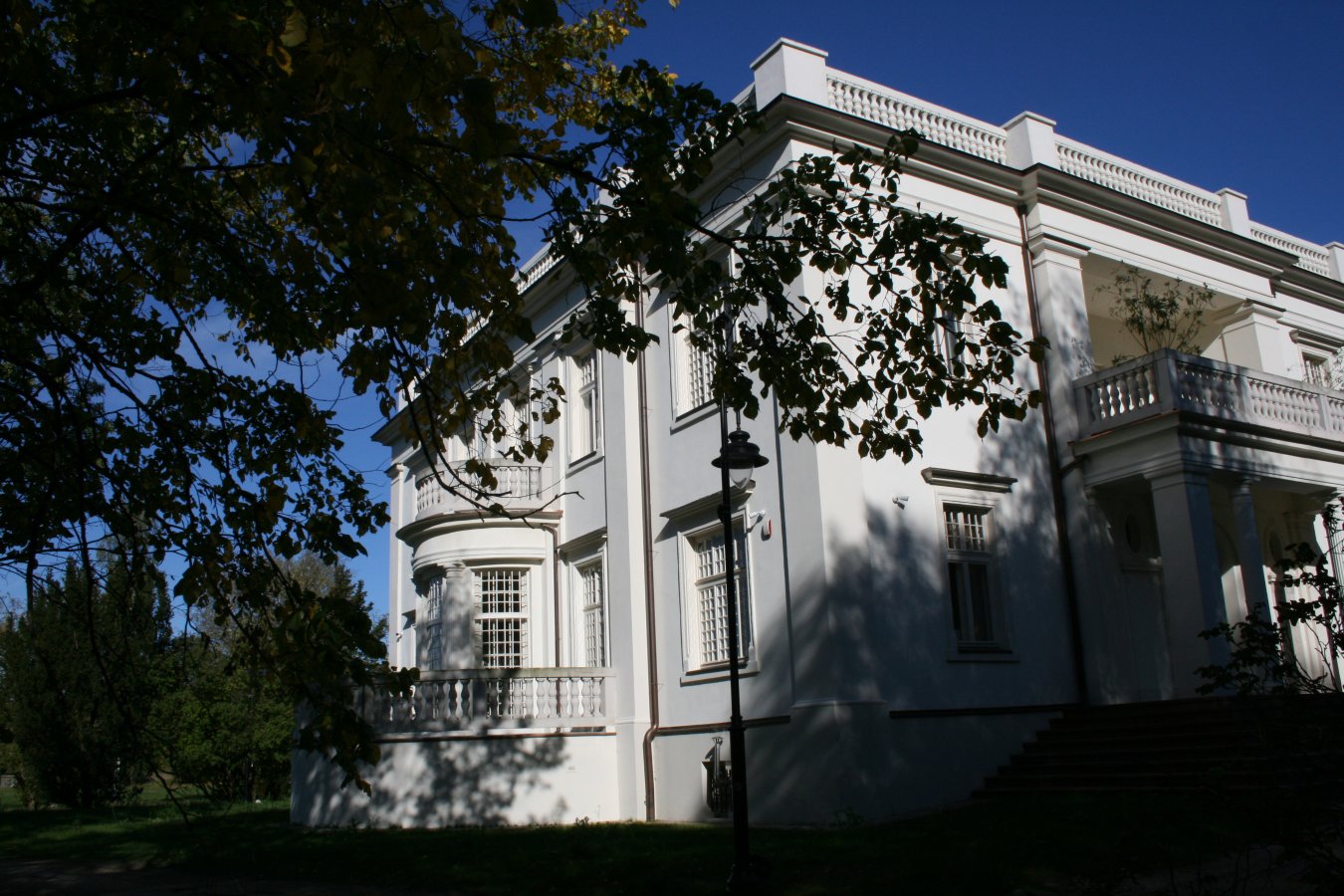
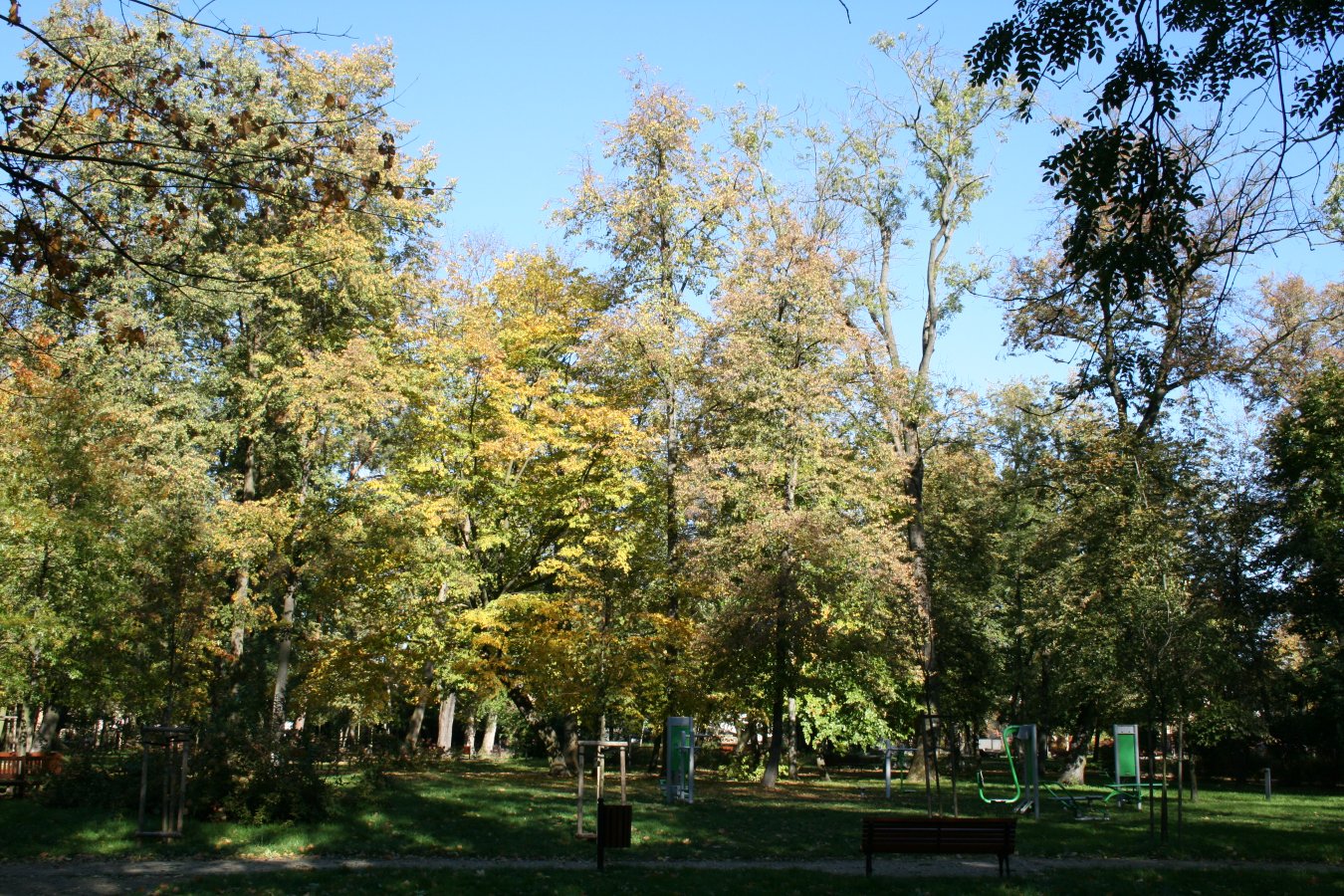
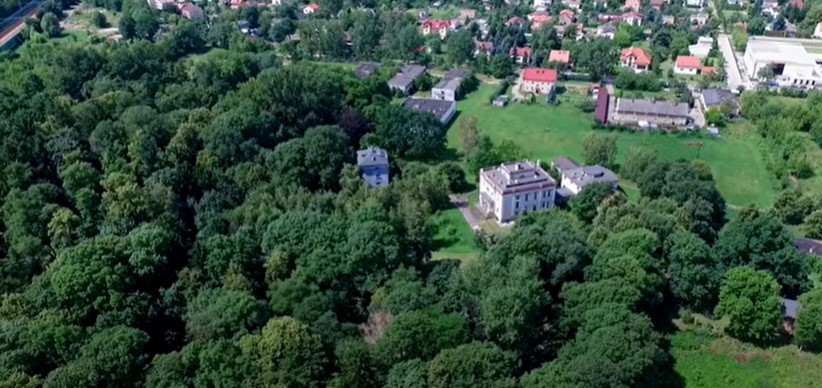
The centrepiece of the estate was the family’s stately residence, surrounded by a vast landscaped park. For many years, the palace remained not only the home of the Wierusz-Kowalski family, but also an important feature of the local landscape and social life in Brwinów.
TADEUSZ WIERUSZ-KOWALSKI – LANDOWNER AND COMMUNITY ACTIVIST
Tadeusz Wierusz-Kowalski did not limit his activities to managing the estate. He was also involved in the affairs of the local community and contributed to the development of Brwinów’s infrastructure.
One of the most enduring legacies of his work was his support for the local fire brigade. Wierusz-Kowalski financed the construction of a new fire station for the Volunteer Fire Brigade. He also donated land for the construction of a state primary school. This site is now home to Tadeusz Kościuszko Primary School No. 1.
These actions demonstrate that the owner of the palace regarded his position not only as a privilege, but also as a duty towards the town with which his family had forged ties.
CONSTRUCTION OF THE PALACE
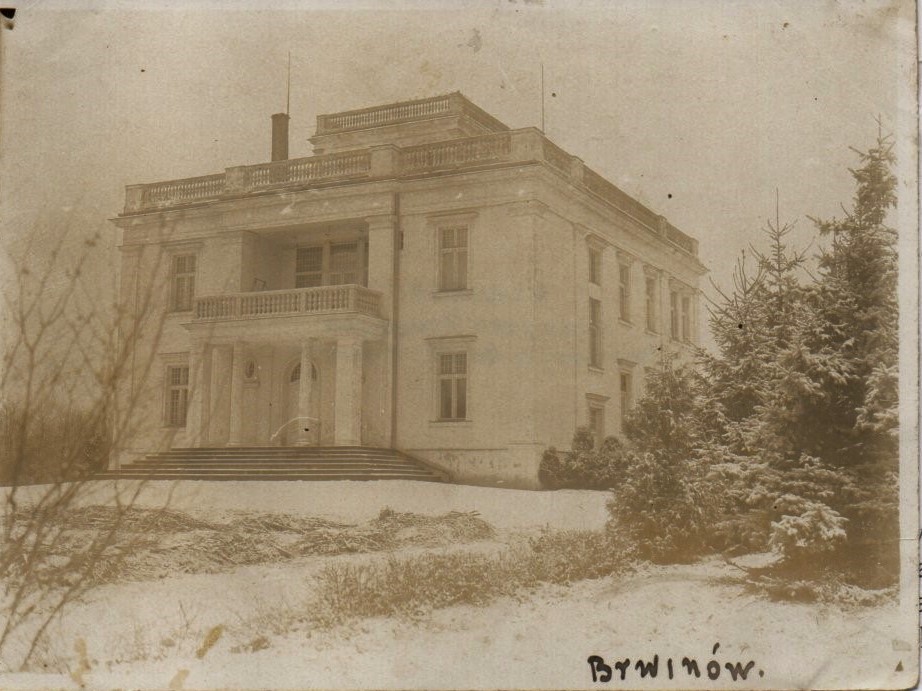
The design of the palace is attributed to the architect Stanisław Grochowicz. However, there is a significant discrepancy in the available sources regarding the date of the building’s construction. Documentation relating to conservation work cites the year around 1910, whilst the register of historic monuments indicates the year 1936.
This discrepancy calls for caution. It is possible that the different dates refer to various stages of construction or subsequent alterations to the residence. Without finding the complete architectural documentation, this matter should not be conclusively resolved. The palace, together with the surrounding park, has become one of the most distinctive landmarks associated with the history of the Wierusz-Kowalski family in Brwinów.
THE PALACE DURING THE SECOND WORLD WAR
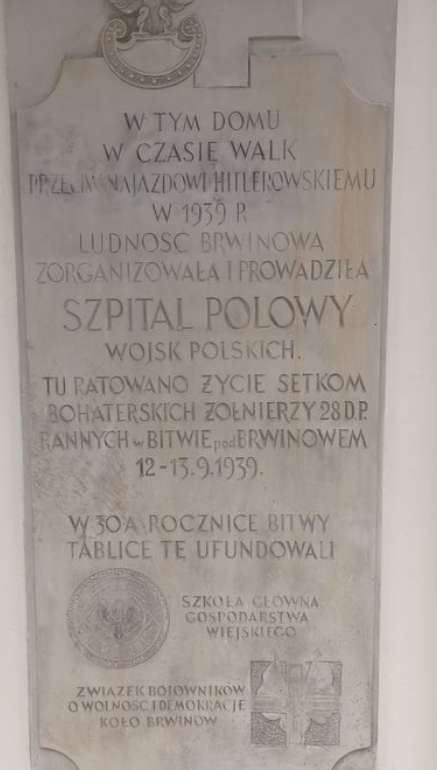
The outbreak of the Second World War brought an end to the peaceful period of the family seat’s existence. In September 1939, a Polish Army field hospital was set up in the palace. Following the German occupation of Brwinów, the owners’ situation changed radically.
In 1940, the estate was taken over by the German Liegenschaft administration, and the Wierusz-Kowalski family were evicted from it. This marked the de facto end of the palace as a family home.
The war left lasting marks both on the history of the building and in the memories of its former residents. The palace, which had previously been the centre of the family estate and a place associated with the owners’ social activities, was subordinated to the needs of the occupying administration.
POST-WAR DAMAGE
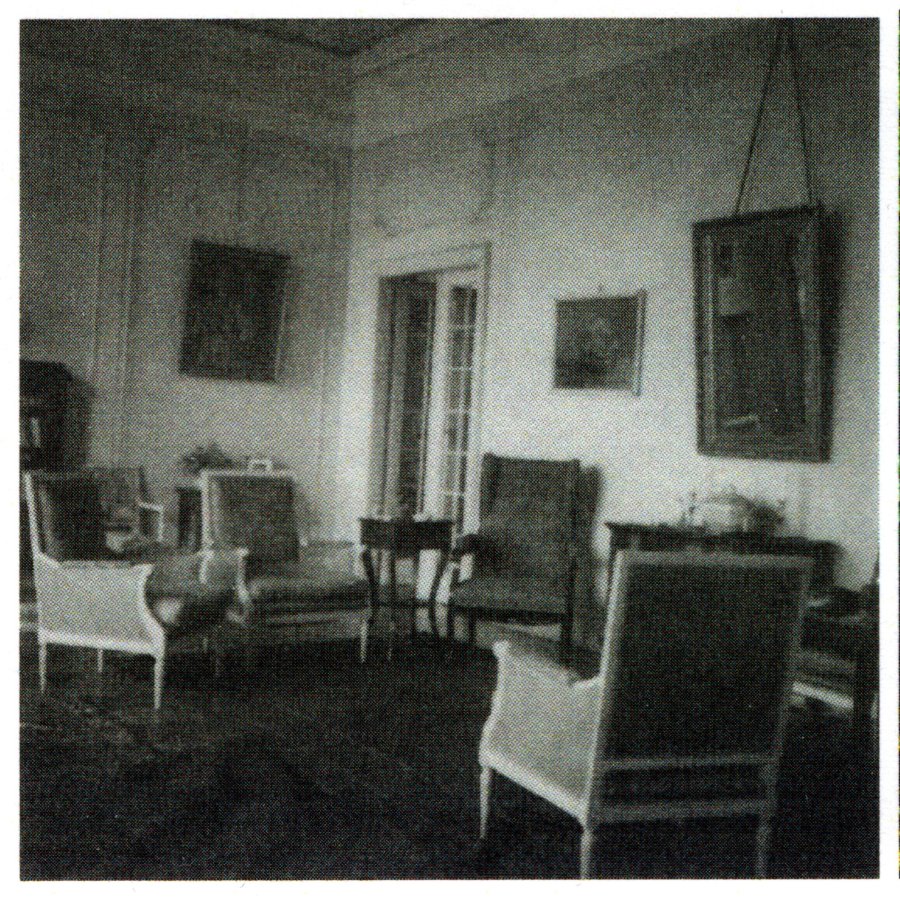
After the war ended, the Wierusz-Kowalski family did not regain their former residence. The building had been stripped of a significant portion of its former furnishings, and the years that followed brought further changes to its function and a gradual loss of its original character.
In September 1946, the palace, together with the grounds covering over seven hectares, was transferred to the Warsaw University of Life Sciences.
THE SGGW YEARS – THE LOSS OF ITS FORMER CHARACTER
The takeover by the Warsaw University of Life Sciences (SGGW) marked the beginning of a new chapter in the building’s history. The palace was given institutional functions, markedly different from its original role as a family residence.
Over the following decades, the building gradually lost its stately character. The lack of comprehensive renovations and the adaptation of the interiors to current functional needs led to a deterioration in its structural condition. The palace’s surroundings also underwent changes.
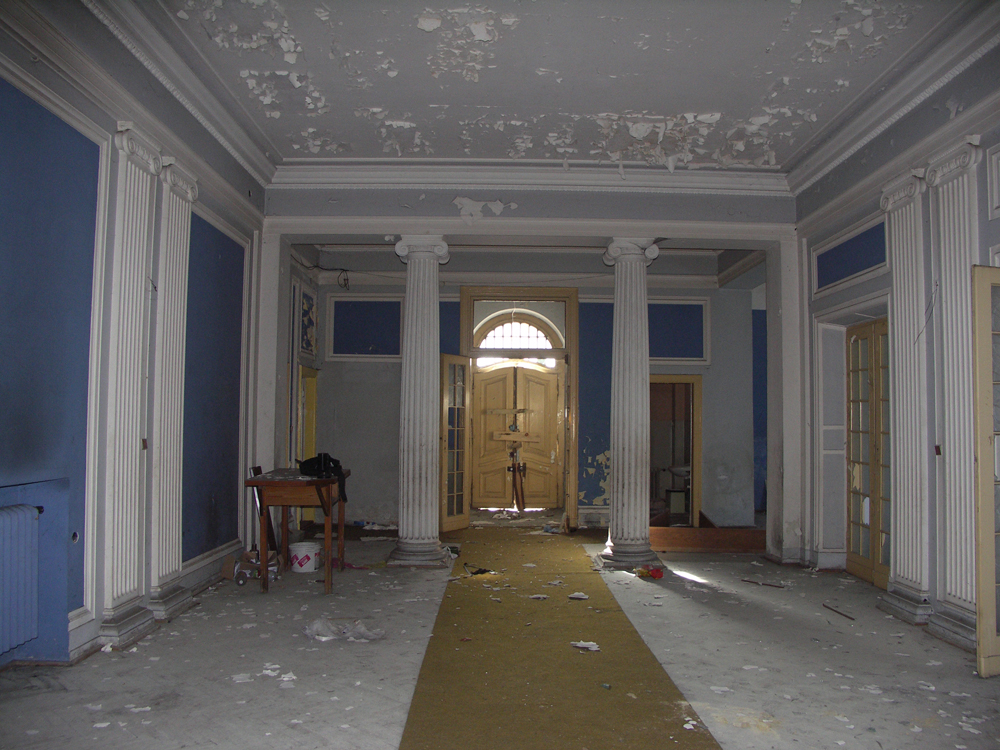
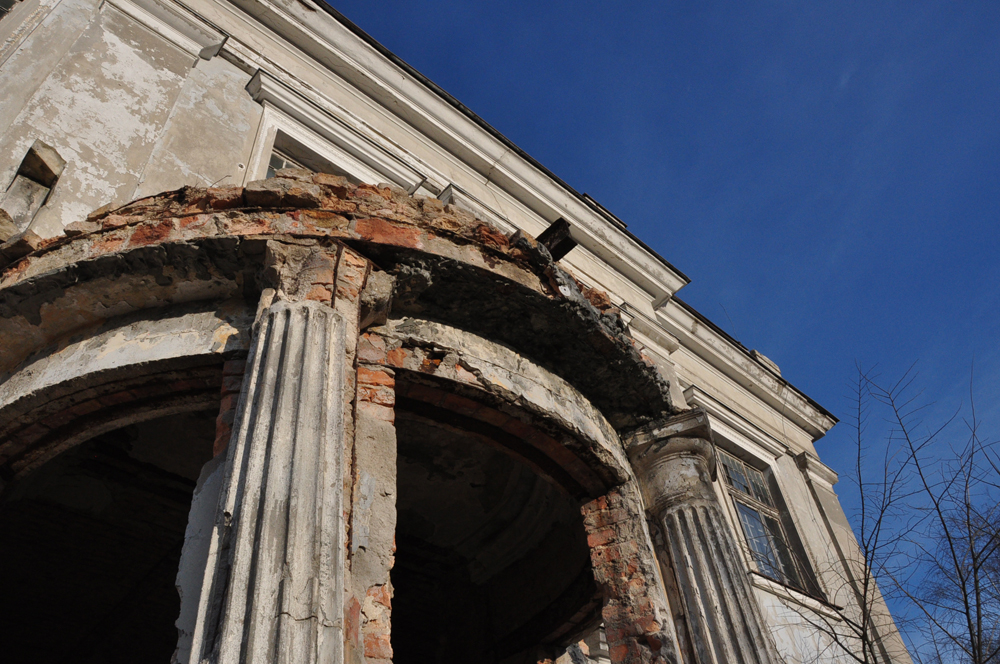
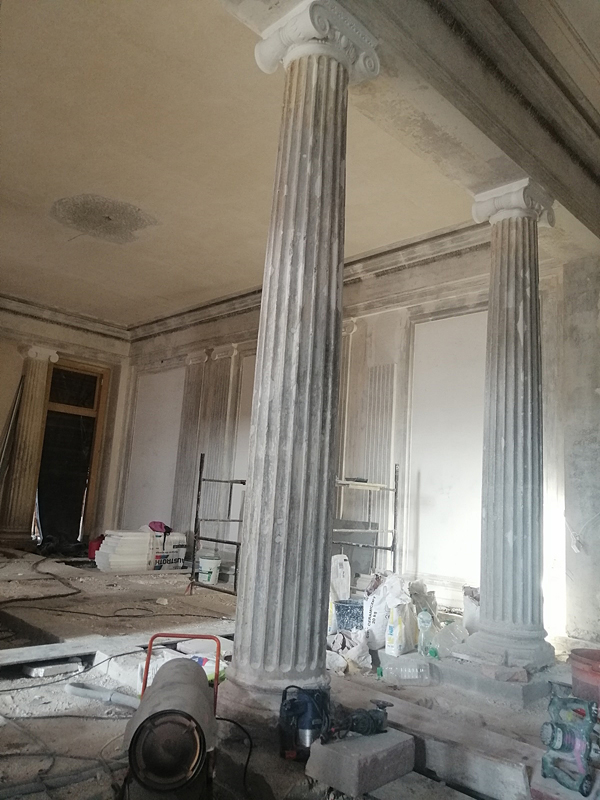
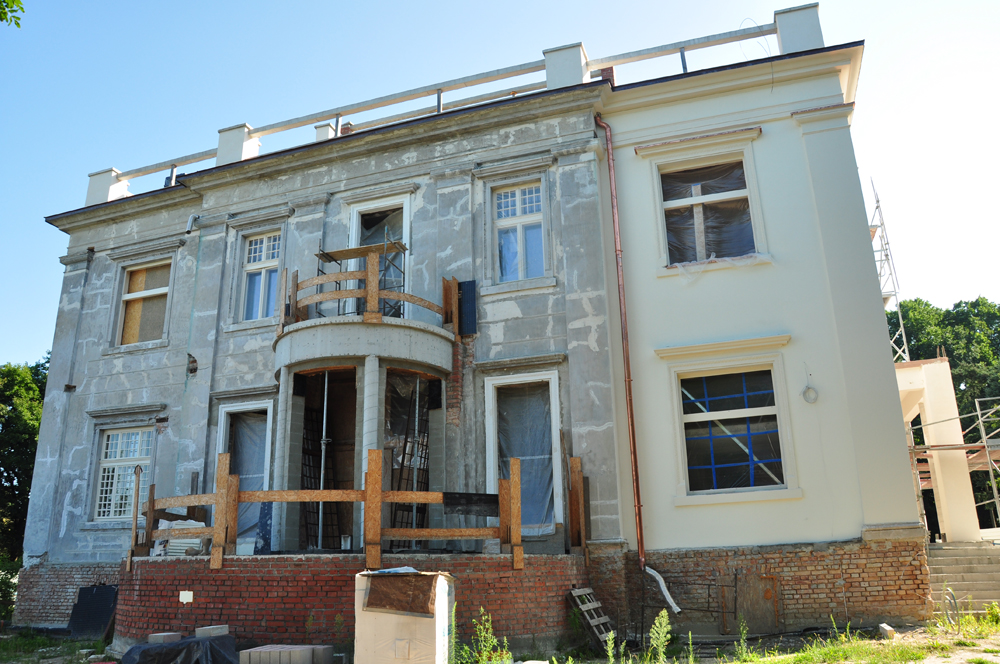
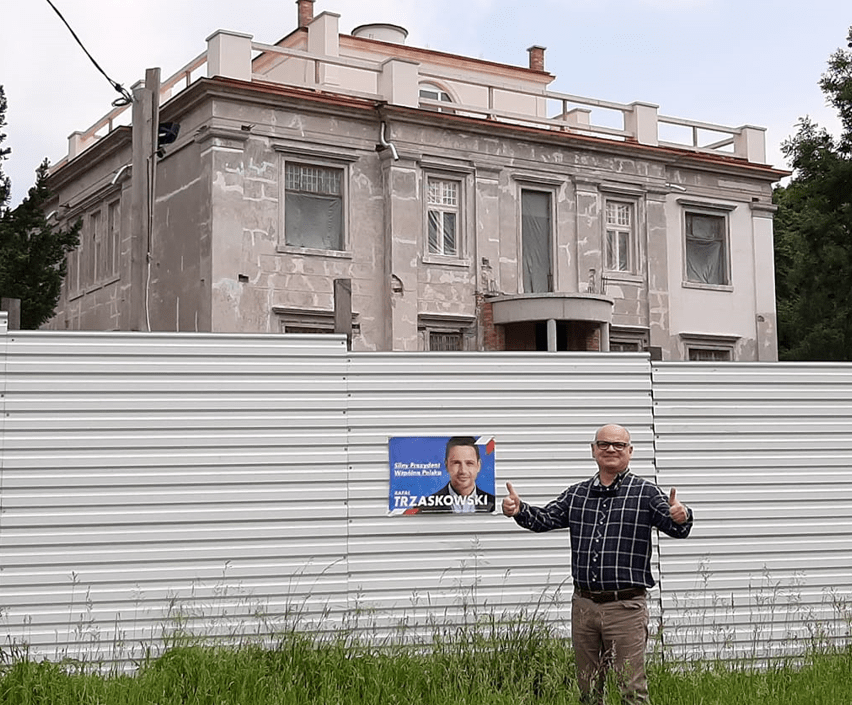
Despite these transformations, the building has survived, retaining its basic structure and part of its historic fabric.
REVITALISATION AND A NEW LEASE OF LIFE FOR THE PALACE
A turning point came when the Brwinów Local Authority took over the palace in 2015. This marked the start of the process of preparing the building for a thorough revitalisation.
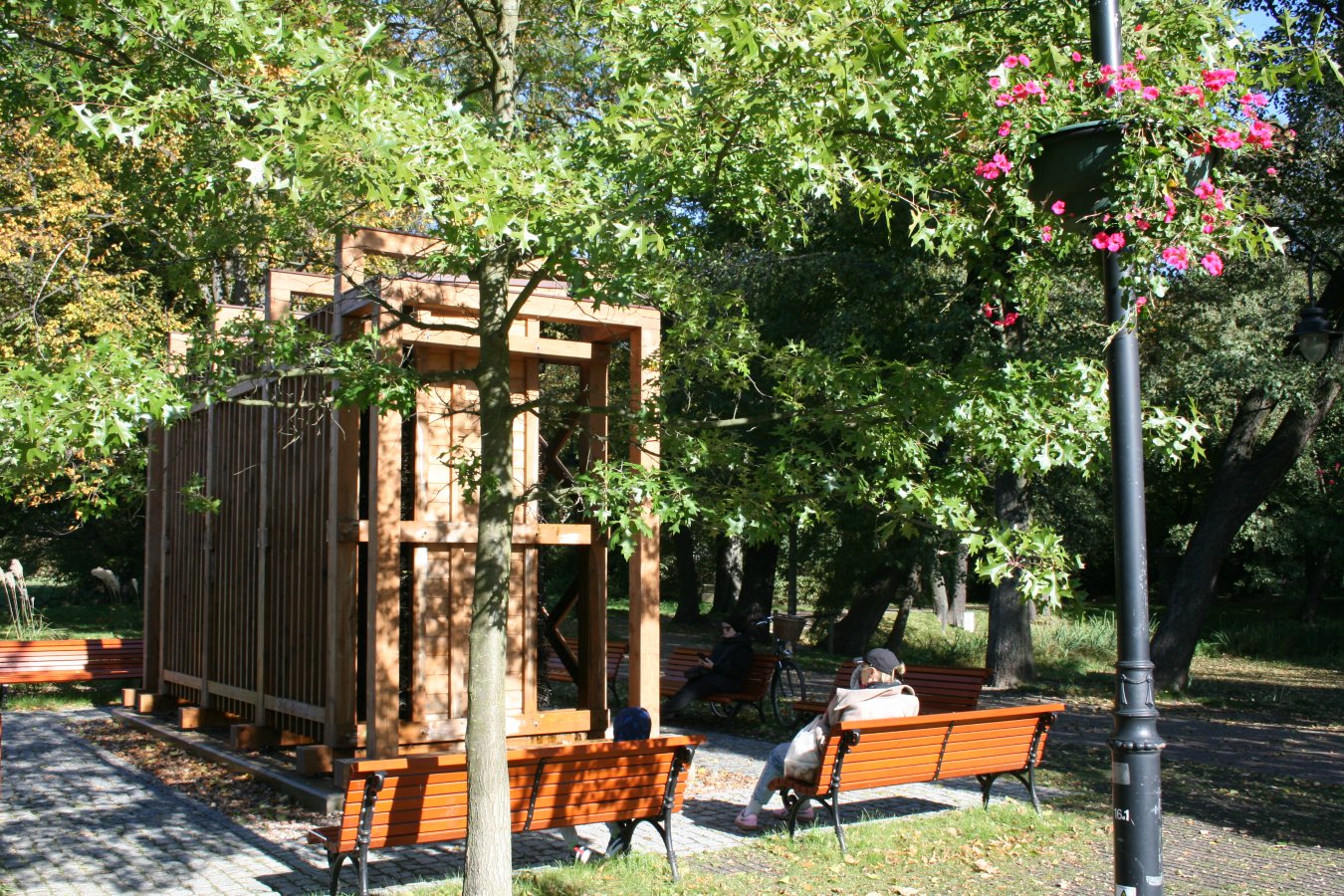
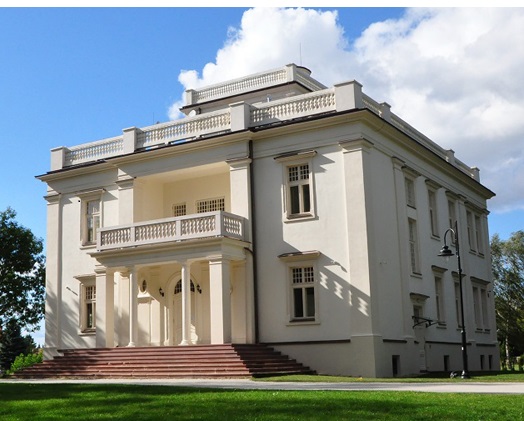
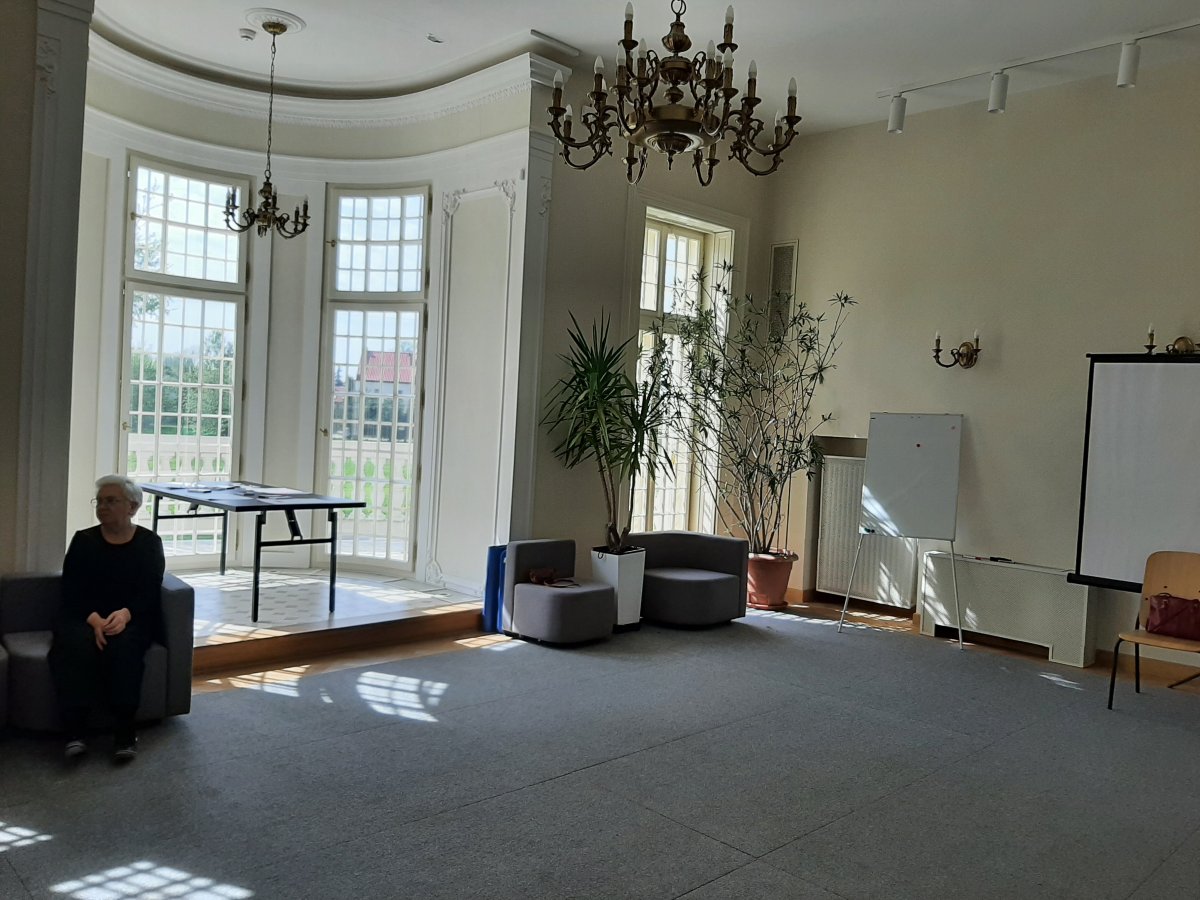
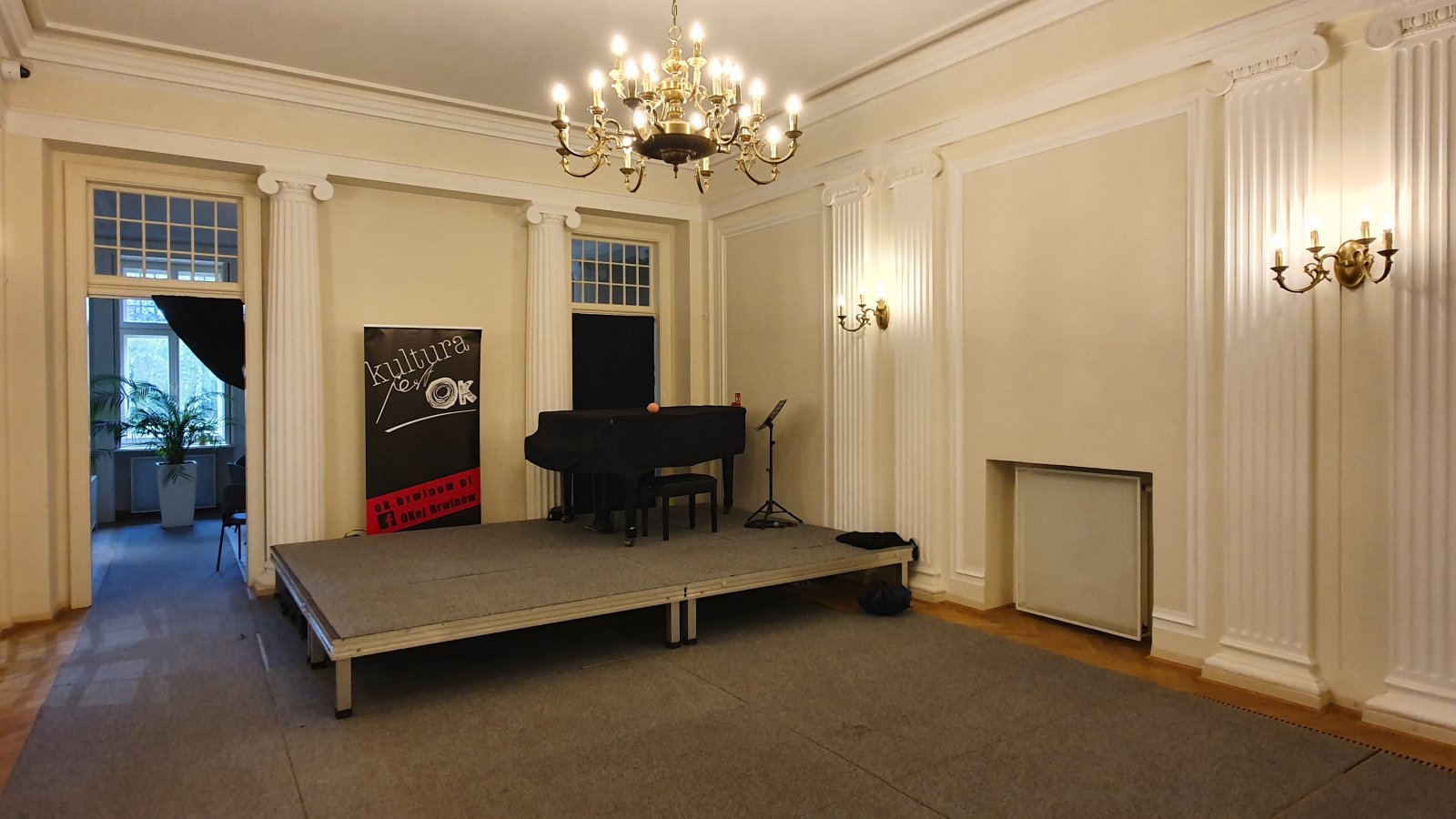
The work was aimed not only at saving the historic building, but also at restoring its significance in the life of the town. The renovation covered both the palace and its surroundings. The completion of the main works in 2022 allowed the building to be reopened to the public.
The former residence of the Wierusz-Kowalski family has been given new functions, primarily related to cultural and community activities. As a result, the building – which had been gradually falling into disrepair over many decades – has once again become one of Brwinów’s key landmarks.
MEMORIES CAPTURED IN PHOTOGRAPHS
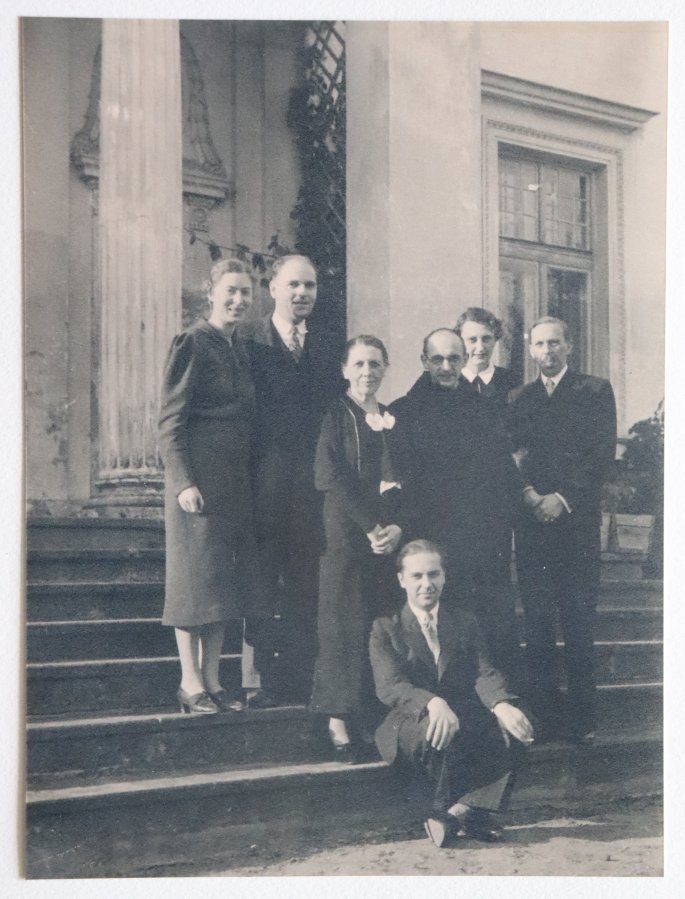
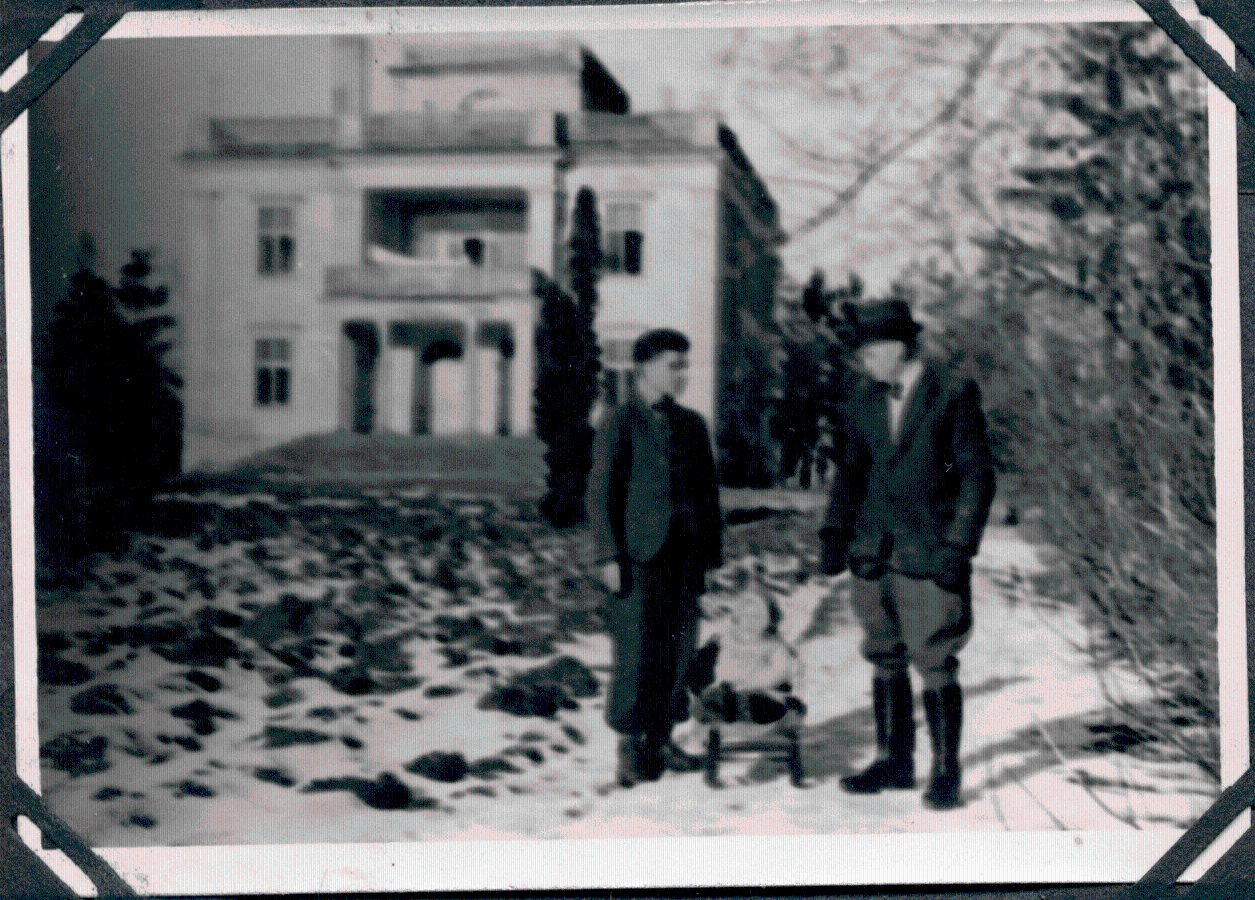
Preserved family photographs are of particular value in reconstructing the history of the Brwinów Palace. They show the residence not as a historic monument or an institutional building, but as a real home where the daily life of the Wierusz-Kowalski family unfolded.
The photographs depict family members in front of the palace and in its surroundings, offering a glimpse of the building, the park and the atmosphere of the place before the changes brought about by the war and its aftermath. They provide a valuable supplement to official documents and conservation records.
Today’s palace is therefore both a historic monument of Brwinów and a testament to the history of one branch of the Wierusz-Kowalski family. Its history – from a family residence and centre of social activity, through its use as a wartime hospital, its seizure during the occupation, its period of use by the Warsaw University of Life Sciences, right up to its contemporary revitalisation – reflects the turbulent history of the 20th century.