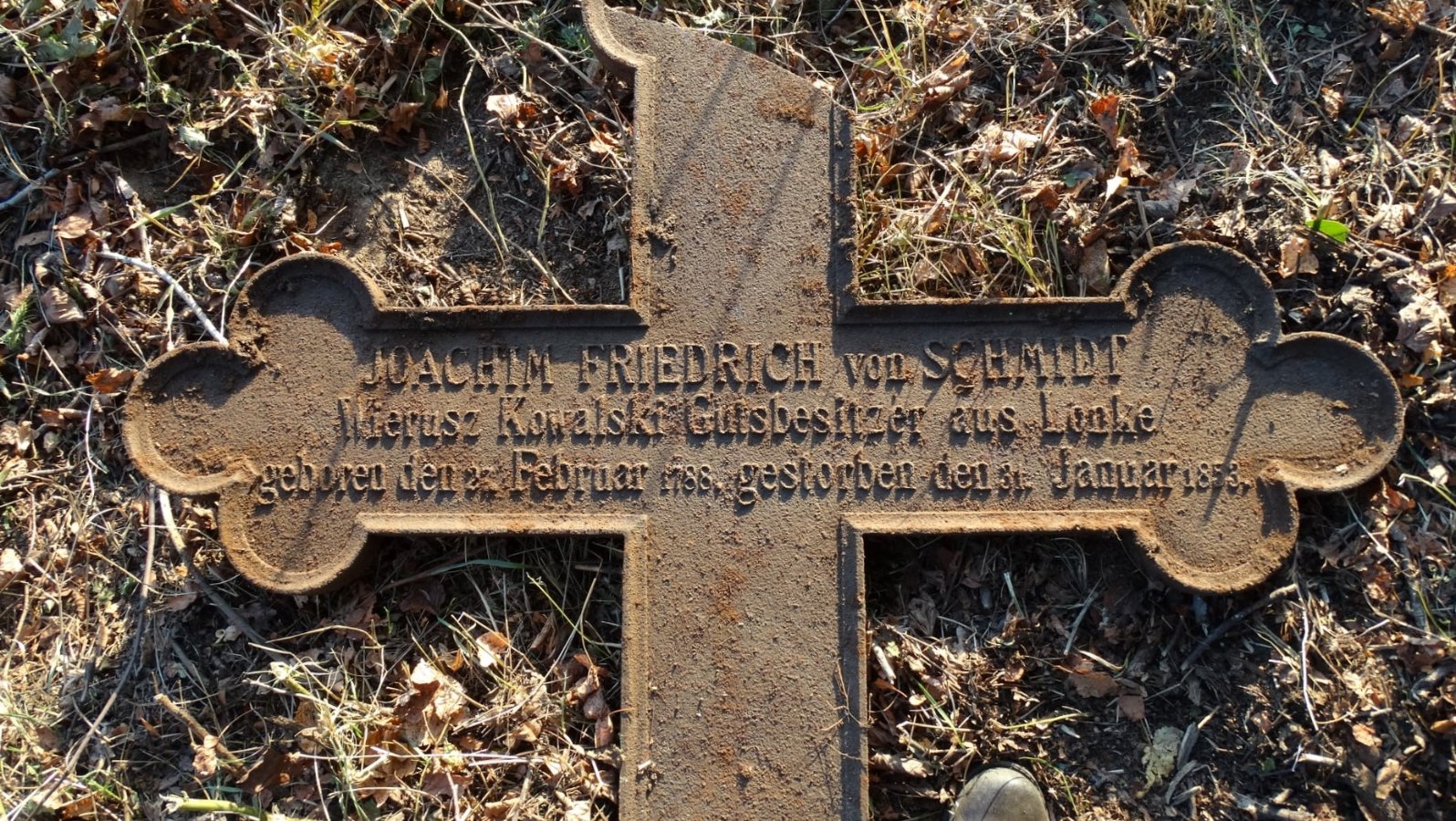
Wanted (Male/Female)
On this page, we will be posting updates on our search for information about members of the Wierusz-Kowalski family
We are looking for the ancestors of Jan Wierusz-Kowalski (1874–1952)
In the Kraków register of 1874, under number 40, there is a record of the birth and baptism of Jan Wierusz-Kowalski. The entry, written in Latin, indicates that he was given the names Jan Ludwik Teofil (Joannes Ludovicus Teophilus).¹
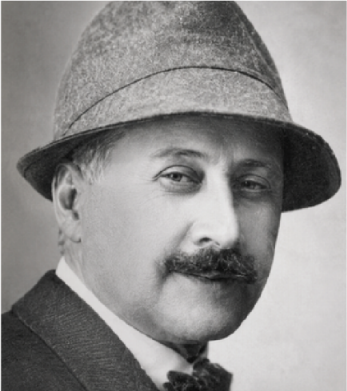
He was born on 8 December 1874 and was most likely baptised on 13 December of the same year.¹
The child’s father was Alfons Władysław Wierusz-Kowalski. In the record, he is described as the owner or heir to estates situated in Galicia. The name of the estate is difficult to decipher with certainty; it may refer to Witkowice or Witanowice. Alfons is recorded as the son of Teofil and Jadwiga.¹
Jan’s mother was most likely Romana Florentyna née Marszałek. According to the transcription of the birth record, she was the daughter of Gustaw and Paulina née Kucharska. The transcription of the surnames and the name of the estate is provisional and should be confirmed on the basis of a better-quality scan or the original register.
For many years, Jan Wierusz-Kowalski was one of the key figures shaping social and sporting life in Kraków. Professionally involved in the insurance industry, he devoted the greater part of his community work to Cracovia, with which he remained associated for several decades. He held positions of responsibility at the club both before and after the war, and his name has also gone down in the history of Kraków and Polish football.
We are looking for the ancestors of Captain Jerzy Wojciech Wierusz-Kowalski (1903–1984)
Captain Jerzy Wojciech Wierusz-Kowalski (1903–1984) was a horse artillery officer in the Second Polish Republic, serving with the 2nd General Józef Sowiński Horse Artillery Squadron.
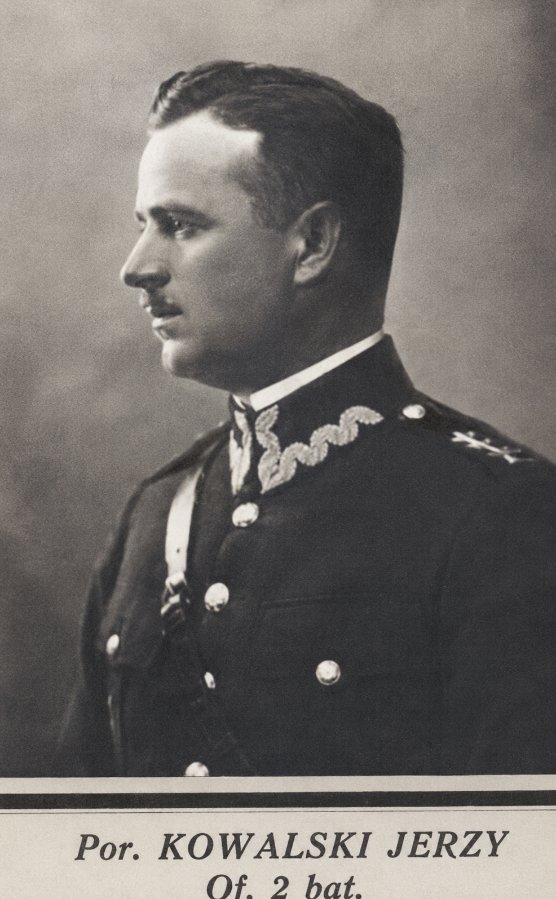
Jerzy Wojciech was born on 30 October 1903 in Bliżyn, the son of Józef Karol Kowalski and Jadwiga Marianna, née Kiedrzyńska.¹ He came from a family with long-established landed traditions. His grandfather was Karol Józef Kowalski (born 24 September 1845 in Szymanów/Miedniewice), who married Salomea Lewańska on 17 November 1872 in Lipa (born 7 November 1855 in Lipa/Ruda Maleniecka), the daughter of Walery – the steward of the Ruda Maleniecka estate – and Józefa, née Rudlicka.¹ Jerzy Wojciech’s great-grandfather was Wojciech Kowalski, who married Franciszka Wiercińska on 19 March 1843 in Szymanów (born c. 1811 in Wola Gołowska, died 1906 in Radzymin). Franciszka had previously been married to Stanisław Makowski (died 27 December 1841 in Szymanów/Antoniew), with whom she had a son, Władysław Kalikst Makowski (born 14 October 1841 in Szymanów Miedniewice).¹ Unfortunately, we have no detailed information about Jerzy Wojciech’s childhood and early youth.
We are looking for the ancestors of Alicja Wierusz-Kowalska (1897 – ?)
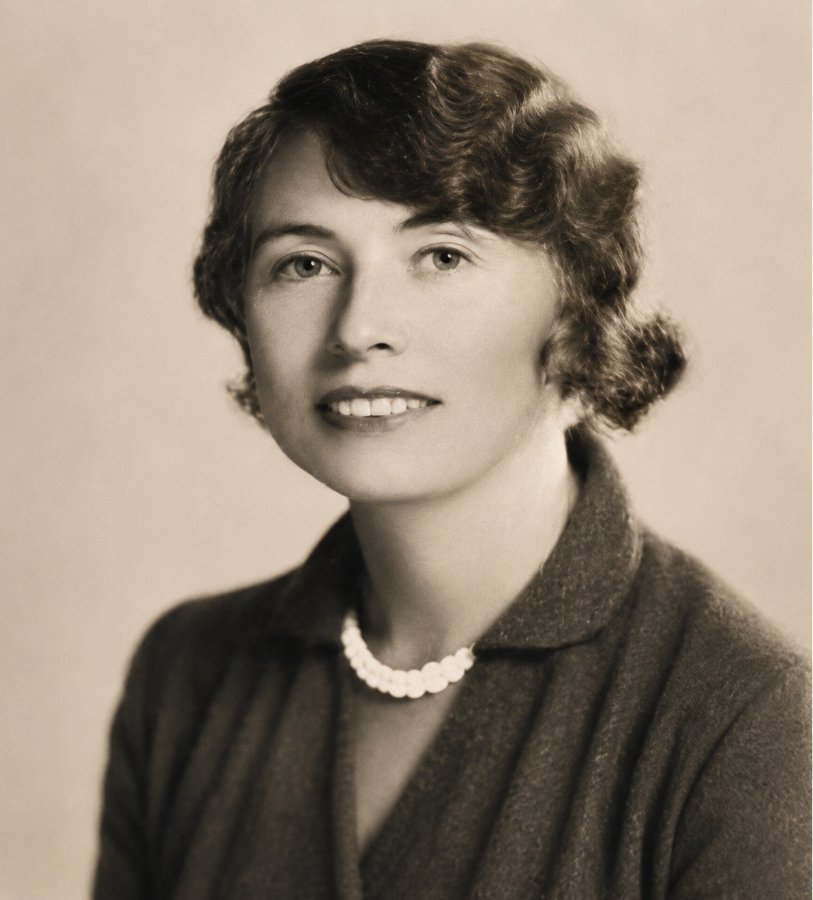
Alicja Wierusz-Kowalska (née Binzer), known as ‘Lili’, belonged to a generation of young women who, even before Poland regained its independence, became involved in underground, military and social activities. Preserved records of her honours and awards show her to have been committed from a very young age: a member of the Junacy youth organisation, a collaborator with the Polish Military Organisation, a participant in intelligence and medical support work, and later an activist within academic circles. Her own autobiography and witness statements make it possible to reconstruct the successive stages of her activities with exceptional accuracy.
Alicja was born on 31 July 1897 in Warsaw, the daughter of Karol and Maria (née Koehler) Binzer. In documents from the 1930s, she appears as Alicja Wierusz-Kowalska, née Binzer, and used the pseudonym “Lili”. She stated her profession as journalism. At that time, she lived at 1 Flory Street, flat 9, in Warsaw, and was employed by the Propaganda Department of the Tourism Division of the Ministry of Transport.
We are looking for photographs and information about the ancestors of General Henryk Wierusz-Kowalski (1846–1929)
Henryk Wierusz-Kowalski was born on 12 July 1846 in Nowy Sącz. Military records list Jan Wierusz-Kowalski as his father, whilst his mother’s maiden name is given as Zielińska. Later studies indicate that his mother’s name was Anastazja. Henryk was Roman Catholic and of Polish nationality. He never married; in military records, his marital status is listed as ‘unmarried’, and the sections regarding a wife and children were left blank.
Henryk Wierusz-Kowalski was a general and a military doctor, specialising in bacteriology, epidemiology and hygiene. For many years he served in the Austro-Hungarian army, where he organised laboratories, headed the military bacteriological centre in Vienna and trained military doctors. He furthered his knowledge, amongst others, whilst working alongside Robert Koch in Berlin, Louis Pasteur in Paris and Max von Pettenkofer in Munich. After Poland regained its independence in 1919, he joined the Polish Army with the rank of second lieutenant and helped organise the military medical service. He died on 29 April 1929 in Zakliczyn, leaving behind a legacy that combined military service with the development of modern infectious diseases medicine.
We are looking for the ancestors of Major Jan Wawrzyniec Wierusz-Kowalski (1909–1951)
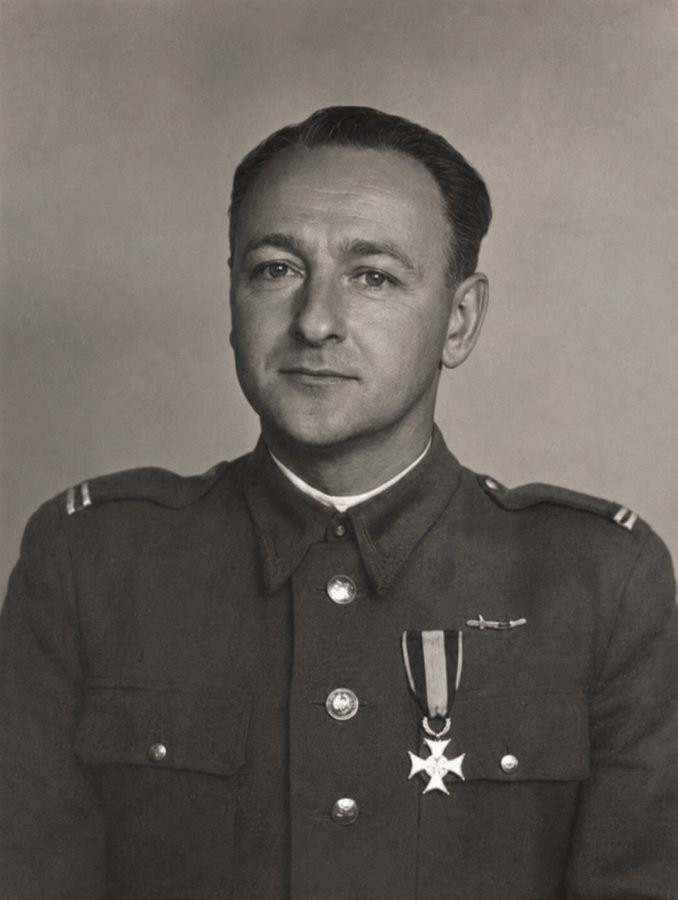
Jan Wawrzyniec Wierusz-Kowalski was born on 19 June 1909 in Kraków, the son of Michał Wierusz-Kowalski and Joanna (née Więckowska).
He was an officer in the Polish Army, a soldier in the Home Army and a participant in the September 1939 campaign. During the occupation, he was active in the underground under the codename ‘Rok’, training soldiers and helping to establish the ‘Granat’ Artillery Group. During the Warsaw Uprising, he took command of the ‘Granat’ Group, fought in Mokotów, was seriously wounded, and was awarded the Silver Cross of the Order of Virtuti Militari for exceptional bravery and military merit, which was awarded to him in 1947. After the war, he served in the Polish Army, rising to the rank of major and working on the organisation of artillery communications and the training of officers. In June 1951, he was detained by Military Intelligence and died during interrogation in Bydgoszcz in circumstances which, to this day, raise serious doubts. Jan Wawrzyniec
We are seeking information about Franciszek Placyd Wierusz-Kowalski and his immediate family, descendants and genealogical connections.
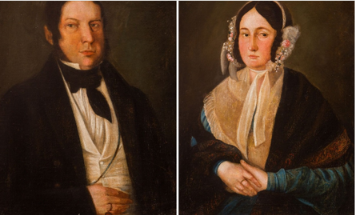
Franciszek Placyd Wierusz-Kowalski belonged to one of the less well-documented branches of the Wierusz-Kowalski family. The evidence gathered so far suggests that he was the son of Józef Kowalski of Kowala, bearing the Wieruszowa coat of arms, and Marianna Stetkiewicz. He was born towards the end of the 18th century, most likely between 1794 and 1798. His wife was Leokadia Czarnocka, born around 1818. The couple had several children, including Maria Helena, Franciszka Zofia, Marcin Antoni and Wiktor. The family trees compiled so far concerning other branches of the family do not show this line in a complete and unambiguous manner. We are therefore currently endeavouring to reconstruct both the ancestors of Franciszek Placyd and the subsequent lives of his children and grandchildren. It is particularly important to establish the family’s places of residence, dates of birth, marriages and deaths, as well as any links to other branches of the Wierusz-Kowalski family. Some of the information comes from scattered genealogical sources and still requires confirmation in archival documents. Any additional information may help to complete the history of this branch and incorporate it into the full family tree of the Wierusz-Kowalski family.
I am looking for information about this branch of the W-K family
.